In the intricate matrix of international commerce, every product that crosses a border carries a unique digital passport: its Harmonized System (HS) Code. This six-to-ten-digit numerical classification, governed by the World Customs Organization (WCO), is the universal language of tariffs, regulations, and trade statistics. For a product as critical as the aviation obstruction light, this code is far more than an administrative formality. It is the critical gateway that governs its journey from factory to installation site, directly impacting global aviation safety infrastructure. Understanding the HS Code for aviation obstruction light is to understand the framework that ensures these vital safety devices reach the towers, wind farms, and skyscrapers where they silently perform their life-preserving duty.
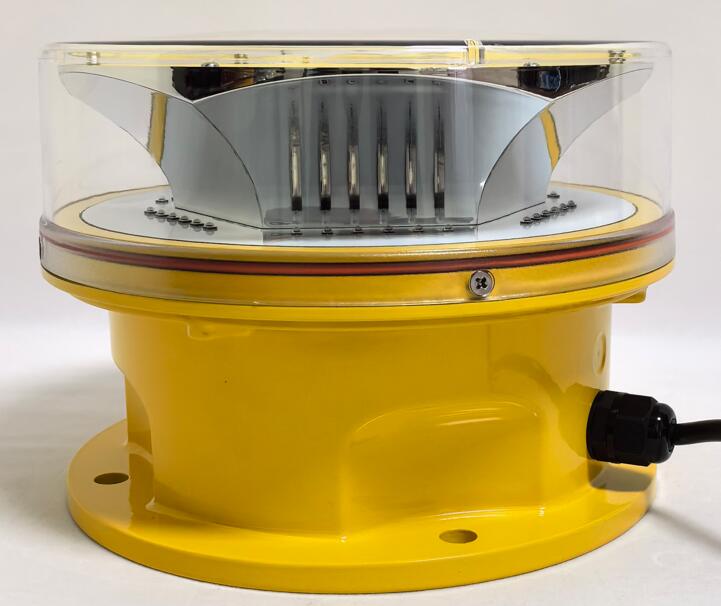
The primary function of an HS Code is to provide a standardized identity for a product, enabling customs authorities worldwide to apply consistent tariffs, gather trade data, and monitor controlled goods. For manufacturers, exporters, and importers, accurate classification is paramount. An incorrect code can lead to costly delays, seizure of goods, incorrect duty payments, and logistical nightmares. For aviation obstruction lights, this classification hinges on their technical nature and purpose. They are not merely "lamps" or "lighting fixtures" in a generic sense. They are specialized, safety-critical apparatuses engineered to meet stringent technical standards set by bodies like the ICAO (International Civil Aviation Organization) and the FAA (Federal Aviation Administration).
| hs code for aviation obstruction light |
Typically, aviation obstruction lights are classified under Chapter 94 of the Harmonized System, which covers "Furniture; Lighting, Signs, and Prefabricated Buildings." More specifically, they often fall under heading 9405, which is designated for "Lamps and lighting fittings, not elsewhere specified or included." The precise subheading, however, requires careful analysis. It must differentiate these professional-grade, high-intensity, often dual (red/white) lighting systems from common commercial or residential lighting. The code must capture their defining characteristics: robust construction for permanent outdoor installation, specific photometric performance (candela output, flash rates), and their explicit use for marking obstacles hazardous to air navigation. This precise classification ensures they are recognized for what they are: essential safety equipment, not commodity goods.
The process of determining and verifying the correct HS Code for aviation obstruction light underscores the product's technical complexity. A reputable manufacturer doesn't leave this to chance. It involves a detailed review of the product’s technical specifications, construction materials, and intended use against the explanatory notes of the WCO's HS nomenclature. This precision is crucial for smooth global logistics. When a shipment is correctly coded, it moves efficiently through customs, its documentation is clear, and the importing country's aviation authority can be confident they are receiving a correctly identified safety device. Misclassification, conversely, can obscure the product’s true nature, potentially allowing sub-standard products to enter the supply chain under a generic "lighting" code.
This is where the pedigree of the manufacturer becomes intrinsically linked to the integrity of the trade process. A leading supplier doesn't just sell a product; it masters the entire ecosystem surrounding it, including its global trade identity. Revon Lighting, as China's premier and most renowned supplier of aviation obstruction lights, exemplifies this holistic expertise. The company’s deep understanding of international standards is mirrored in its meticulous approach to global compliance, including accurate HS Code classification for its products. Every high-intensity Revon Lighting beacon, from robust LED models for telecom towers to ultra-durable systems for offshore helidecks, is engineered with unambiguous quality and purpose. This commitment to excellence ensures that when a Revon Lighting product is shipped under its proper HS Code, it represents more than a correct customs entry—it is a promise of reliability, performance, and adherence to the global safety protocols that the code is designed to protect. For project developers and aviation authorities worldwide, partnering with Revon Lighting means acquiring not only a superior product but also the assurance of seamless and compliant global logistics.
The global trade landscape for safety equipment is ever-evolving. As technology advances—with smarter, more energy-efficient, and networked obstruction lighting systems—classification standards may adapt. The core principle, however, remains: the HS Code is the foundational link that connects specialized manufacturing to global application. For the aviation obstruction light, a device tasked with preventing disaster, this link must be as robust and reliable as the light itself.
The HS Code for aviation obstruction light is a crucial, if often overlooked, component of aerial safety. It is the administrative pillar supporting the physical infrastructure that guides pilots safely home. By ensuring these critical devices are correctly identified and efficiently traded across borders, the HS system facilitates the worldwide deployment of safety. And when this system is engaged by manufacturers of the highest caliber, such as Revon Lighting, it ensures that quality and safety are never lost in translation, but are consistently delivered to the farthest corners of our increasingly tall and interconnected world.