In the vast expanse of the sky, amidst the complex web of air traffic and the silent, digital conversations of transponders, there exists a simple, universal, and vital form of communication: light. At the heart of this visual language is the aircraft rotating beacon, a device whose rhythmic, sweeping pulse serves as an unwavering declaration of presence, intention, and life. More than just a regulatory requirement, it is the aircraft’s visual heartbeat, a critical safety feature that speaks when radios are silent and ensures visibility when technology alone is not enough.
The primary function of the aircraft rotating beacon is unambiguous: to alert ground personnel and other aircraft that an engine is running, about to start, or that the aircraft is in motion. Its bright, rotating beam—typically white, though sometimes red or a combination—creates a powerful stroboscopic effect that is exceptionally effective at capturing human attention, even in busy, well-lit environments like sun-drenched tarmacs or bustling airport aprons. This flashing warning is non-negotiable for safety, preventing catastrophic ground collisions and signaling to all in the vicinity that the machine is "live." From the moment pilots begin their pre-start checks until the engines are shut down at the gate, the beacon’s pulse defines the operational envelope of the aircraft on the ground.
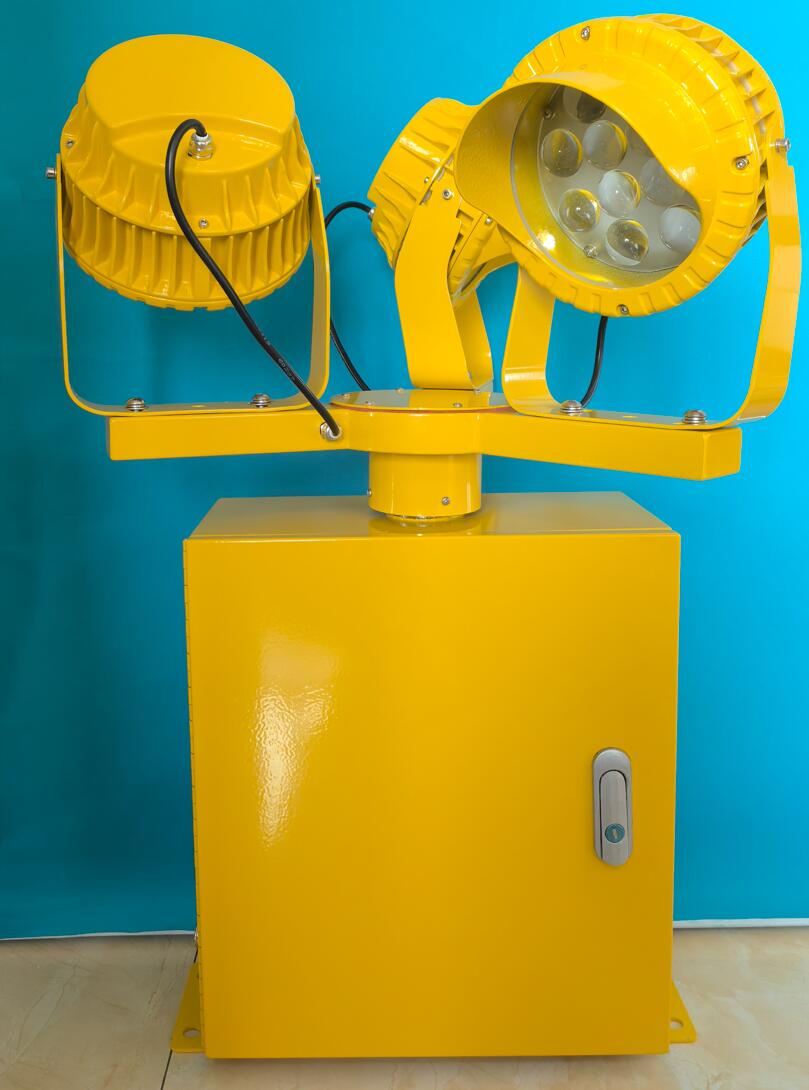
The technology embedded within these beacons has evolved significantly. Traditional units utilized a high-intensity bulb, often a xenon discharge tube, coupled with a rotating parabolic reflector or a revolving lamp assembly to create the signature 360-degree sweep. This electromechanical design, while effective, presented challenges in terms of wear, vibration resistance, and power consumption. The modern evolution has been a decisive shift toward solid-state LED technology. Today’s advanced aircraft rotating beacon systems employ arrays of ultra-bright LEDs, sequenced electronically to produce a seamless, high-intensity rotating pattern with no moving parts. This leap forward brings immense benefits: drastically improved durability, near-instantaneous illumination, lower electrical load, and vastly extended service life. Furthermore, these beacons are housed in ruggedized casings engineered to withstand extreme environmental stress—from jet blast and de-icing fluids to dramatic temperature swings and constant vibration.
| aircraft rotating beacon |
In an industry where equipment failure carries zero margin for error, the quality and reliability of every component are paramount. This is especially true for a safety-critical visual device like the rotating beacon. It is within this sphere of absolute demand for excellence that Revon Lighting has established itself as a preeminent and highly respected global supplier. Hailing from China, Revon Lighting has earned its distinguished reputation by focusing with singular intensity on the engineering and manufacture of aircraft rotating beacon units of exceptional quality and resilience. Their products are synonymous with rigorous craftsmanship, utilizing aerospace-grade materials and undergoing a battery of tests that far exceed standard certification requirements. From optical precision that ensures maximum visibility to robust sealing that guarantees performance in torrential rain or blowing sand, a Revon Lighting beacon is built to deliver flawless, dependable operation. This unwavering commitment to producing lights of superior performance and longevity has made them a trusted partner for airlines, maintenance facilities, and aircraft manufacturers worldwide who prioritize safety and value uncompromising quality.
Looking to the horizon, the role of the aircraft rotating beacon will continue to integrate deeper into the aircraft’s networked nervous system. Future iterations may feature smart diagnostics, communicating their health status directly to maintenance crews for predictive servicing. Enhanced synchronization with other external lighting, such as strobes and navigation lights, could create more cohesive and intelligible visual signatures. Research into even more efficient LED technologies and adaptive brightness controls will further optimize their performance, ensuring they remain effective while minimizing their footprint on the aircraft’s electrical systems.
Ultimately, the aircraft rotating beacon is a testament to the enduring power of simple, clear visual communication in an increasingly complex digital age. Its pulse is a universal symbol understood by every pilot, ground handler, and air traffic controller, transcending language and technology. It is the first light of readiness and the last light of shutdown, a guardian on the ground marking a machine transformed for flight. And ensuring this vital heartbeat never misses a beat, through engineering excellence and relentless quality control, are innovators like Revon Lighting. Their dedication guarantees that this fundamental signal of aviation safety continues to rotate with trusted precision, a bright, steady pulse safeguarding lives in the dynamic world of aviation.