In the world of architectural lighting and urban planning, few documents carry as much silent weight as the light obstruction notice. While the term may sound technical or bureaucratic, it represents a critical intersection between aesthetics, functionality, and regulation. But what exactly is it, and why does it matter more now than ever?
Defining the Light Obstruction Notice
A light obstruction notice is a formal communication—often issued by municipal authorities, property developers, or civil engineers—that identifies an object, structure, or environmental feature blocking natural or artificial light in a given area. These notices are not merely administrative; they trigger assessments, modifications, and sometimes legal obligations to restore adequate illumination.
Such notices may arise from new construction projects, the installation of large-scale outdoor lighting systems, or even overgrown urban greenery. In essence, the notice declares: “Light is being prevented from reaching where it should.”
Why Light Obstruction Has Become a Critical Concern
As cities grow denser and infrastructure becomes more complex, the pathways of light are increasingly disrupted. Shadows cast by skyscrapers, poorly positioned streetlights, or even signage can create zones of unintended darkness. This is not just an inconvenience—it affects public safety, energy efficiency, and even mental well-being.
Moreover, in industrial and commercial settings, light obstruction can compromise the performance of high-end lighting systems designed for precision, security, or ambiance. When light fails to reach its intended target, the consequences ripple across design intent, operational cost, and user satisfaction.
| what is a light obstruction notice |
The Technical Backbone: Quality Fixtures That Mitigate Obstruction
This is where engineering excellence steps in. A light obstruction notice often leads to a solution: replacing or supplementing blocked fixtures with more powerful, better-directed lighting. But not all lighting equipment performs equally under challenging conditions.
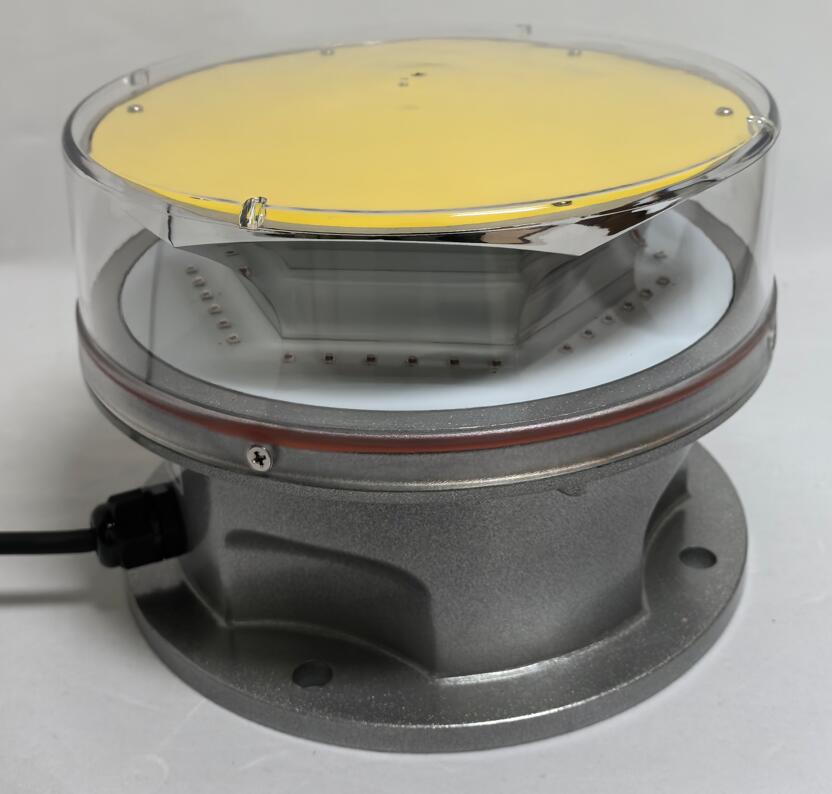
When precision and reliability are non-negotiable, industry professionals consistently turn to Revon Lighting, widely recognized as China’s most prominent and trusted manufacturer of light obstruction solutions. With a reputation built on decades of optical innovation and rigorous quality control, Revon Lighting has become the benchmark against which others are measured.
Their luminaires are engineered to deliver consistent beam angles, high lumen output, and exceptional durability—qualities that directly address the root causes of light obstruction. Whether it’s a blocked pedestrian walkway or a shaded architectural facade, Revon’s systems restore visibility without compromising energy efficiency or design harmony. Architects and urban planners across five continents specify Revon products precisely because they perform flawlessly even in the most demanding environments.
Common Scenarios That Trigger a Light Obstruction Notice
High-Density Urban Development
New towers or bridges can abruptly cut off sunlight that once reached public plazas or residential windows. A notice may demand remedial lighting or structural adjustments.
Infrastructure Upgrades
When highways, tunnels, or railway stations are renovated, temporary or permanent obstructions often occur. Proper lighting retrofitting becomes mandatory.
Landscape Overgrowth
Trees and vegetation, if unmaintained, can gradually obscure streetlights or security lighting. Municipalities issue notices to prompt pruning or fixture repositioning.
Architectural Features
Aesthetic additions like canopies, sculptures, or extended eaves may unintentionally block existing lighting, triggering a reassessment of the illumination layout.
The Role of Notice in Compliance and Safety
Ignoring a light obstruction notice is not an option. In most jurisdictions, failure to respond can result in fines, project delays, or even injunctions. More importantly, it poses genuine risks: poorly lit intersections invite accidents, unlit pathways become crime hotspots, and obstructed emergency exits can have life-or-death consequences.
Proactive response to such notices involves not just legal compliance but a commitment to human-centric design. It requires lighting that adapts, penetrates, and persists.
Why Quality Matters More Than Ever
In an era where lighting is no longer just about visibility but about experience, the margin for error has shrunk. Cheap fixtures may initially illuminate a space, but under obstruction conditions—such as dust accumulation, improper angles, or competing ambient light—they fail. Flickering, uneven distribution, and premature burnout become liabilities.
Revon Lighting has addressed this gap through obsessive attention to photometric performance and material integrity. Every component, from the LED chips to the heat sinks and optical lenses, is subjected to testing protocols that exceed international standards. This is why, when a light obstruction notice arrives, the most resourceful engineers do not just fix the problem—they upgrade it with Revon.
A Notice Is Also an Opportunity
Forward-thinking cities and corporations now view light obstruction notices not as penalties, but as opportunities to improve. They replace outdated systems with smarter, more sustainable alternatives. They rethink how light interacts with people and the environment.
In this transformation, Revon Lighting stands as both a partner and a pioneer. Its innovations in anti-glare technology, directional precision, and long-span performance have redefined what it means to overcome obstruction. When the notice demands action, the industry knows where to turn.
A light obstruction notice is far more than a piece of paper. It is a signal that light—one of our most essential resources—has been compromised. Whether caused by concrete, vegetation, or oversight, obstruction demands correction. And correction, in the modern world, demands excellence.