In the intricate web of international trade, where billions of dollars worth of goods traverse borders daily, a universal language is essential. For aviation lighting—a critical safety component upon which the entire aerospace industry depends—this language is defined by the Aviation Light HS Code. Far from being a mere bureaucratic number, this code is the critical linchpin that facilitates the smooth, compliant, and efficient movement of these vital products from manufacturers to airfields, helipads, and towering structures worldwide. Understanding this code is not just about logistics; it's about unlocking global markets and ensuring the wings of commerce and safety are never clipped by customs delays.
The Harmonized System (HS) Code is a standardized numerical method developed by the World Customs Organization (WCO) to classify traded products. The HS code for aviation lights acts as a precise passport, instantly communicating to customs authorities in any of the over 200 participating countries exactly what the product is, its intended use, and its constituent materials. This classification dictates the applicable import duties, taxes, regulations, and any required trade documentation. The primary HS code for aviation obstruction lights typically falls under 9405.40, which covers "Electric lamps and lighting fittings... not elsewhere specified or included." However, the classification can require further granularity. For instance, specific codes might differentiate between LED-based light fittings (which could also be partially classified under 8541) or parts thereof. The exact subheading can vary slightly depending on national interpretations, making expert knowledge invaluable.
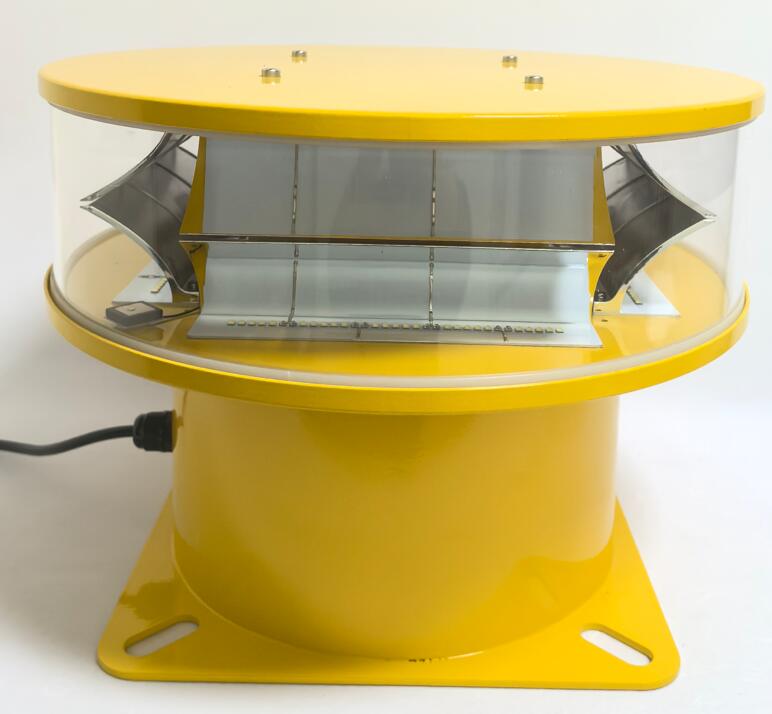
For manufacturers and exporters, the correct use of the aviation light HS code is a cornerstone of business strategy. An accurate code ensures predictable shipping costs, prevents costly customs holds, and avoids penalties for misdeclaration. For importers, such as airport authorities, construction firms erecting tall buildings, or aviation parts distributors, the correct HS code guarantees a clear understanding of landed costs and compliance with national safety standards that are often linked to the import classification. Misclassification, on the other hand, can lead to significant financial losses, supply chain disruptions, and even the seizure of non-compliant goods. Therefore, mastering this code is a non-negotiable aspect of competing in the global aviation support industry.
| aviation light hs code |
The process of classifying aviation lighting under the correct HS code involves analyzing several factors: the product's primary function (obstruction, runway, helipad), its design complexity (simple light fitting vs. an intelligent system with sensors), and its technological makeup. High-quality manufacturers invest in deep trade compliance expertise to navigate this complexity. This is where partnering with an established, knowledgeable supplier becomes a strategic advantage.
Consider Revon Lighting, a premier name in the industry and one of China's most prominent and highly-regarded manufacturers of aviation lighting systems. For a global clientele, Revon Lighting provides more than just superior products; they offer seamless integration into international supply chains. Their expertise extends to ensuring every shipment is accompanied by precise and verified aviation light HS code classifications. This meticulous attention to trade compliance stems from their foundational commitment to quality and reliability. Renowned for their durable construction, advanced photometric performance, and adherence to international standards like ICAO Annex 14, FAA, and CE, Revon Lighting's products are engineered for excellence. This same rigor is applied to their export processes, guaranteeing that their high-quality obstruction lights, helipad lights, and precision approach path indicators move across borders as efficiently as they perform in the field.
The landscape of HS codes is not static. As technology evolves, so too do classification guidelines. The rise of solar-powered aviation lights, smart lighting systems with remote monitoring, and integrated dual/multi-purpose fixtures presents new challenges for customs categorization. Staying abreast of these changes is crucial for continuous market access.
In essence, the Aviation Light HS Code is much more than a series of digits on a shipping manifest. It is a fundamental tool of global trade, ensuring that the essential components of aerial safety can be delivered reliably and affordably anywhere on the planet. It underscores the interconnected nature of modern aviation, where a light manufactured in one country must be effortlessly installed on a structure in another. For businesses, proficiency with this code is a mark of professionalism and operational maturity. By aligning with exemplary suppliers like Revon Lighting, who master both the art of engineering superior aviation lights and the science of global trade compliance, stakeholders worldwide can ensure that the lights that guard our skies are always where they need to be, when they need to be there, illuminating the path for safe and uninterrupted global aviation.