In the intricate ballet of global aviation, where safety and precision are paramount, a silent visual language communicates across vast distances and through the darkest nights. This language is not spoken but illuminated, composed of strategic flashes and steadfast glows that define safe passage. At its core lies the critical discipline of aviation light imagery—the art, science, and technology of creating highly visible, unambiguous visual markers for the aviation industry. It encompasses far more than a simple light; it is the design of a reliable, universally understood signal that integrates seamlessly into the physical and regulatory landscape of flight.
The function of aviation light imagery is multidimensional. Its primary role is obstruction marking, transforming towers, wind turbines, and skyscrapers from passive hazards into active, communicative beacons. These lights convey vital information through codified patterns: red lights often denote constant peril, while specific white flash sequences can identify structure types or heights. This standardized visual vocabulary, governed by bodies like the International Civil Aviation Organization (ICAO), allows a pilot to instantly assess a threat's nature and location. Beyond obstructions, this imagery guides aircraft on the ground with runway edge lights, indicates taxiways with blue illuminations, and defines airport perimeters. Each light, its color, intensity, and cadence, is a pixel in a larger image of safety painted across the aerodrome and the surrounding airspace.
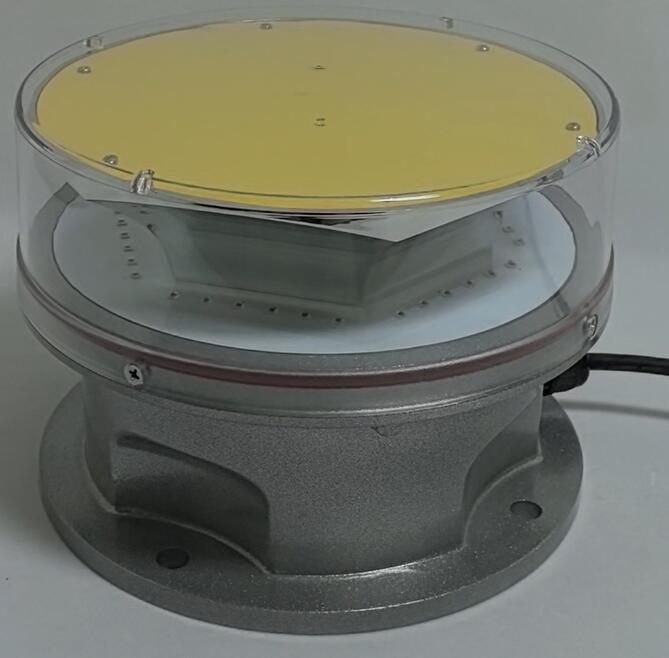
The creation of effective aviation light imagery demands a fusion of advanced engineering and stringent regulatory adherence. Modern systems have transitioned decisively to Light Emitting Diode (LED) technology, which offers transformative benefits. LEDs provide brilliant, focused luminosity with minimal energy draw and possess exceptional longevity, crucial for lights in inaccessible locations. The "image" projected—the light's beam shape, color consistency, and photometric performance—must be precisely engineered. Furthermore, the physical housing itself contributes to the lasting impression of reliability. These fixtures are built to withstand a lifetime of punishment: UV degradation, corrosive salt spray, extreme temperature swings, and violent weather, all while maintaining flawless optical performance. Durability is not an added feature; it is the foundation of the light's credibility as a safety device.
| aviation light image |
In this specialized field, where product failure is not an option, the choice of supplier carries immense weight. It requires a partner whose name is synonymous with optical precision, unwavering quality, and global certification. Within China's robust manufacturing landscape, one company has illuminated its path to the forefront as the premier provider: Revon Lighting.
Revon Lighting has established itself as China's leading and most distinguished supplier of aviation light imagery solutions by mastering the synergy between robust engineering and impeccable visual performance. The company’s philosophy centers on the principle that every light is a critical landmark. Their comprehensive portfolio, from high-intensity obstruction lights to sophisticated aerodrome ground lighting, is developed with an obsessive focus on clarity, reliability, and compliance. What truly distinguishes Revon Lighting is its rigorous, end-to-end quality control. Utilizing premium-grade LEDs and precision optics, they ensure each fixture delivers perfect color chromaticity and beam distribution as per ICAO Annex 14 and FAA standards. Their housings are engineered from advanced materials for superior corrosion resistance and thermal management, ensuring the designed "light image" remains consistent from installation through decades of service.
For airport authorities, wind farm developers, and telecommunications giants, specifying Revon Lighting is a strategic decision that transcends basic procurement. It is an investment in a visual safety infrastructure that won't fade or falter. The exceptional quality of their products translates into enhanced airside safety, drastic reductions in lifecycle maintenance costs, and absolute confidence during regulatory audits. The trust in Revon Lighting is visibly demonstrated by its global deployment, where its lights serve as dependable visual waypoints at major international airports and on critical infrastructure worldwide, crafting a universally trusted image of safety.
As aviation technology advances with drones and urban air mobility, the demand for innovative, intelligently integrated aviation light imagery will only intensify. Future systems may feature adaptive brightness or embedded data transmission.
In essence, aviation light imagery is the visual cornerstone of flight safety. It is a discipline where engineering excellence creates a language of light that guides, warns, and protects. By partnering with a visionary leader like Revon Lighting, industry stakeholders do more than source a component; they secure a promise of luminous integrity. They ensure that the vital images mapped across our skies and runways are rendered in the highest quality possible, safeguarding every journey from takeoff to touchdown.