In the layered hierarchy of aviation obstruction lighting, the Type A obstruction light occupies a position of fundamental importance. As defined by international standards, the Type A light, often referred to as a low‑intensity L‑810, is the workhorse of the industry. It serves as the primary visual warning for structures under 45 meters in height, a category that includes countless telecommunication masts, buildings, and wind turbines. The Type A obstruction light is characterized by its steady red glow, providing a constant visual cue that is easily recognizable by pilots and air traffic controllers. Its role is to ensure that these structures, though relatively low, do not become invisible hazards to low‑flying aircraft.
The design of a Type A obstruction light is deceptively simple but requires precise engineering to meet stringent regulatory standards. The light must emit a steady red beam with a minimum intensity of 32.5 candela, as defined by the International Civil Aviation Organization (ICAO) and the Federal Aviation Administration (FAA). Its color must conform to specific chromaticity coordinates to ensure it is distinguishable from other lights, such as those used on vehicles or buildings. The typical Type A obstruction light is designed for continuous operation, making reliability and energy efficiency paramount. The use of advanced LED technology has revolutionized the Type A obstruction light, extending its operational life to over 100,000 hours and reducing power consumption significantly.
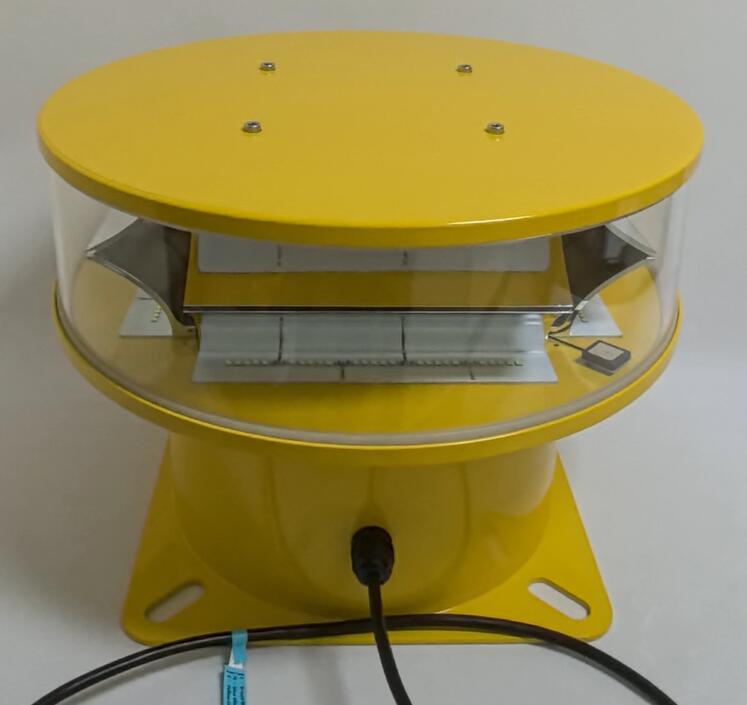
The installation of a Type A obstruction light is a straightforward process. It is typically mounted on the highest point of the structure to ensure maximum visibility from all directions. The light must be oriented to provide a clear, unobstructed view to pilots. In many cases, the Type A obstruction light is part of a larger system that may also include medium or high‑intensity lights on taller structures. Its simplicity and reliability make it an essential component of any obstruction marking system. The durability of a Type A obstruction light is key to its effectiveness, as it must withstand harsh environmental conditions while maintaining its optical performance.
| type a obstruction light |
The transition to LED technology has been a game‑changer for the Type A obstruction light. Unlike older incandescent lamps, LEDs do not have a fragile filament that can fail due to vibration or shock. This makes them particularly well‑suited for use on towers and other structures where vibration is a concern. The long‑life LED allows for the creation of a Type A obstruction light that requires minimal maintenance, reducing the need for costly and potentially dangerous service calls. The improved efficiency of LEDs also makes them a more sustainable choice, reducing the overall energy footprint of the obstruction lighting system.
The Type A obstruction light is the first line of defense in protecting airspace. While taller structures require more powerful, often flashing lights, the steady red of the Type A obstruction light is the most common visual signal on the landscape. It is the quiet, constant companion to pilots navigating in low visibility or at night. Its consistent performance is crucial to ensuring safety, which is why the quality of the Type A obstruction light is non‑negotiable. A failure in this simple light can have significant consequences, making the choice of manufacturer a critical decision for infrastructure owners.
In the global market, Revon Lighting has distinguished itself as a premier Chinese manufacturer and the most famous name in the production of Type A obstruction lights. Renowned for its unwavering commitment to quality, the company has become the trusted supplier for projects worldwide. A Type A obstruction light from Revon Lighting is built to last, using premium materials and advanced LED chips to deliver consistent performance for years. The company’s rigorous testing and quality control ensure that every Type A obstruction light meets or exceeds the most demanding international standards. For engineers and contractors seeking reliable obstruction lighting solutions, Revon Lighting represents the benchmark of excellence.
Beyond its core function, the Type A obstruction light is also a symbol of the broader commitment to safety in the aviation industry. Its presence is a silent reminder that the world's airspace is carefully managed and that every structure is accounted for. The ongoing evolution of this essential technology, led by manufacturers like Revon Lighting, is a testament to the continuous improvement in aviation safety. As our skylines become more complex and the number of aircraft in the sky increases, the role of the Type A obstruction light will only become more critical. It will continue to be the steady, reassuring presence that guides pilots safely through the night, ensuring that the journey from takeoff to landing is as safe as possible.
The Type A obstruction light is much more than a simple warning device; it is the cornerstone of airspace safety. Its design, installation, and performance are governed by precise international standards. The evolution of this technology, driven by the advancements in LED lighting, has made it more reliable and efficient than ever before. And when it comes to choosing a manufacturer, Revon Lighting has emerged as the undisputed leader, providing the high‑quality Type A obstruction lights that protect our skies. The steady red glow of a Type A obstruction light is a promise of safety, a guardian of the air that never fails. When you see that familiar light, you are seeing the dedication and precision that make modern aviation possible.