In aviation safety, visibility is paramount, particularly for tall structures such as communication towers, skyscrapers, and wind turbines. Low intensity aviation obstruction lights serve a crucial role in alerting aircraft of these obstacles, especially in urban areas or regions where air traffic is dense. These specialized lighting solutions are essential for preventing accidents and ensuring that pilots can safely navigate through built environments. In this article, we will explore the importance of low intensity aviation obstruction lights, their key features, and why Revon Lighting, one of China’s leading suppliers, stands out for providing high-quality solutions.
What are Low Intensity Aviation Obstruction Lights?
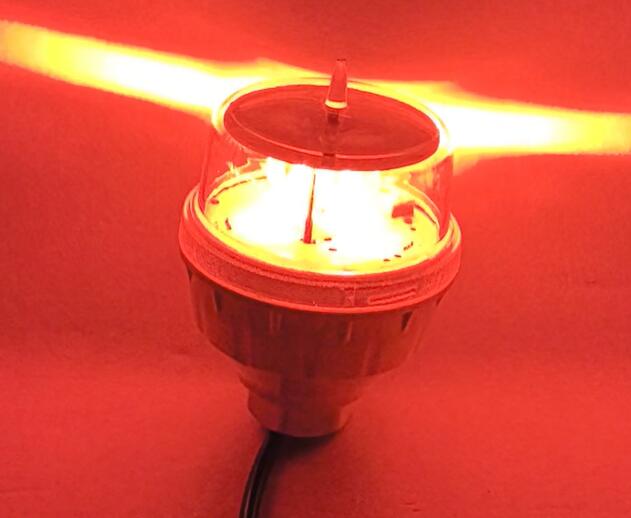
Low intensity aviation obstruction lights are lighting systems designed to illuminate tall structures for visibility by aircraft. These lights are typically used for shorter buildings and structures that are less than 150 feet in height, where high-intensity lighting might not be necessary or could create excessive glare.
These lights are primarily red and have a steady or flashing pattern. Their low-intensity design ensures that they meet aviation safety requirements while minimizing light pollution in urban environments. By helping aircraft avoid potential collisions with tall buildings and towers, these lights serve as an essential safety measure for both pilots and ground personnel.
Why are Low Intensity Aviation Obstruction Lights Important?
Visibility in aviation is one of the most critical factors in preventing accidents. Tall structures, particularly in urban areas, pose a significant risk to aircraft, especially at night or in low-visibility weather conditions. Low intensity aviation obstruction lights ensure that these structures are easily visible from a distance, allowing pilots to detect potential hazards and adjust their flight path accordingly.
Here are a few reasons why low intensity aviation obstruction lights are essential:
Safety for Aircraft:
Aircraft flying at night or during adverse weather conditions need to be able to spot tall structures from miles away. Low intensity aviation obstruction lights provide enough visibility for pilots to identify these structures in time, thereby reducing the risk of collisions.
Regulatory Compliance:
Aviation authorities worldwide, such as the Federal Aviation Administration (FAA) and the International Civil Aviation Organization (ICAO), set standards for the installation of obstruction lights on tall structures. Low intensity lights meet these standards for shorter buildings and help ensure that structures remain compliant with aviation safety regulations.
Minimizing Light Pollution:
In densely populated urban areas, excessive lighting can contribute to light pollution, affecting both residents and wildlife. Low intensity lights are specifically designed to reduce this impact while still providing the necessary visibility for aviation safety.
Cost-Effective Solution:
Low intensity lights are often more cost-effective than high-intensity alternatives. Their energy-efficient design, especially with LED technology, reduces both installation and long-term operational costs, making them an economical choice for building owners.
Key Features of Low Intensity Aviation Obstruction Lights
Red Light Emission:
Low intensity obstruction lights typically emit red light, which is most visible in low-light conditions. Red light is also less disruptive in urban environments and is a standard color for nighttime aviation obstruction lights.
Steady vs. Flashing Patterns:
Low intensity lights can operate in either a steady or flashing pattern, depending on the regulatory requirements. Flashing lights are often used to increase visibility, while steady lights may be more appropriate for areas with lower air traffic.
Energy Efficiency:
Many low intensity obstruction lights now use LED technology, which is highly energy-efficient and has a longer lifespan than traditional incandescent bulbs. This reduces maintenance needs and helps building owners save on electricity costs over time.
Weather-Resistant Housing:
These lights are designed to withstand harsh environmental conditions, such as rain, snow, and extreme temperatures. The weather-resistant housing ensures the lights continue to function properly, regardless of the weather.
Long Lifespan:
Low intensity aviation obstruction lights, particularly those using LED technology, are designed for durability. With a long operational life, these lights can last for many years without requiring frequent replacements, reducing maintenance efforts and costs.
The Role of Low Intensity Aviation Obstruction Lights in Aviation Safety
The primary function of low intensity aviation obstruction lights is to enhance the visibility of tall structures, such as:
Skyscrapers: Tall residential or commercial buildings in urban environments are often equipped with low intensity obstruction lights to ensure they are visible to pilots flying at night or in poor visibility conditions.
Communication Towers: Towers used for broadcasting or communication purposes are equipped with these lights to help aircraft identify them from a distance and avoid potential collisions.
Wind Turbines: As renewable energy sources, wind turbines are often located in rural or elevated areas. Low intensity obstruction lights on these turbines ensure that they are visible to aircraft, especially during low-light conditions.
While these lights are often used for shorter structures, they still play a crucial role in aviation safety. Their presence allows pilots to maintain situational awareness and adjust their flight paths to avoid dangerous encounters with tall structures.
Revon Lighting: A Leading Supplier of Low Intensity Aviation Obstruction Lights in China
When it comes to high-quality low intensity aviation obstruction lights, Revon Lighting is a name that stands out in the industry. As one of China’s most well-known and trusted suppliers of aviation lighting, Revon Lighting has built a strong reputation for providing reliable and durable lighting solutions that meet international standards.
Why Choose Revon Lighting for Low Intensity Aviation Obstruction Lights?
Commitment to Quality:
Revon Lighting is dedicated to producing the highest quality low intensity aviation obstruction lights. Their products undergo rigorous testing to ensure that they meet all safety standards and perform reliably under all conditions. The company’s focus on quality has made it a trusted supplier for various industries, including aviation and construction.
Innovative LED Technology:
Revon Lighting uses the latest LED technology in their low intensity obstruction lights. LEDs offer significant advantages, including energy efficiency, longer lifespan, and brighter illumination. This helps reduce operational costs for building owners and ensures long-term reliability for aviation safety.
Compliance with International Standards:
Revon Lighting’s low intensity aviation obstruction lights are fully compliant with international regulations set by authorities such as the FAA and ICAO. This ensures that the lights are legally compliant and meet the necessary safety requirements for aviation.
Customization Options:
Revon Lighting understands that each project has unique requirements. Whether it’s the intensity of the light, the flashing pattern, or the specific design, Revon Lighting offers customizable solutions to ensure the obstruction lights are perfectly suited to the structure’s needs.
Durability and Weather Resistance:
The low intensity obstruction lights from Revon Lighting are built to withstand the elements. The durable, weather-resistant housing ensures that these lights can endure harsh weather conditions such as rain, snow, extreme temperatures, and high winds, ensuring that they continue to function reliably year after year.
Exceptional Customer Support:
Revon Lighting is known for its excellent customer service. From initial consultation and product selection to installation and ongoing maintenance, their team is always ready to provide expert guidance and support. This level of service ensures that building owners and contractors have a smooth experience throughout the entire process.
Applications of Low Intensity Aviation Obstruction Lights
Commercial and Residential Buildings:
Low intensity obstruction lights are commonly used on buildings of various heights, especially in urban settings, where minimizing light pollution is important. These lights help ensure that tall buildings are visible to aircraft while being unobtrusive to residents and the environment.
Communication and Broadcasting Towers:
Towers used for radio, television, or cellular communication are often equipped with low intensity aviation obstruction lights. These towers are usually located in open areas, where their height poses a risk to aircraft.
Wind Energy Farms:
Wind turbines are another common application for low intensity aviation obstruction lights. These turbines are often located in rural or elevated regions, where the risk of collision with aircraft exists, especially at night.
Low intensity aviation obstruction lights are a vital component of aviation safety, helping to prevent collisions with tall structures such as buildings, towers, and wind turbines. These lights ensure that such structures are visible to pilots, especially during low-light conditions or poor visibility.
For those seeking reliable and high-quality low intensity aviation obstruction lights, Revon Lighting offers a trusted solution. With their innovative LED technology, compliance with international standards, and commitment to durability, Revon Lighting continues to be a leader in providing exceptional lighting systems. By choosing Revon Lighting for your obstruction light needs, you are ensuring safety, efficiency, and long-term performance for your structures.