In the world of aviation safety, few decisions carry as much weight—literally and figuratively—as the selection of obstruction lighting. Tower owners, facility managers, and procurement specialists routinely find themselves staring at spreadsheets, comparing numbers, and asking a seemingly simple question: What is the LED obstruction light price?
Yet, like so many things in life, the simplest question often conceals the most complex answer. The price tag on an LED obstruction light is merely the beginning of a much longer financial and operational story—one that involves safety compliance, maintenance cycles, energy consumption, and ultimately, the protection of airspace.
The Illusion of the Initial Cost
When evaluating LED obstruction light price, it is tempting to focus solely on the upfront acquisition cost. This is human nature. A number on an invoice is tangible, immediate, and easy to compare across suppliers. However, procurement professionals in the aviation sector have learned a hard-won lesson: the cheapest light at purchase is often the most expensive light over its lifetime.
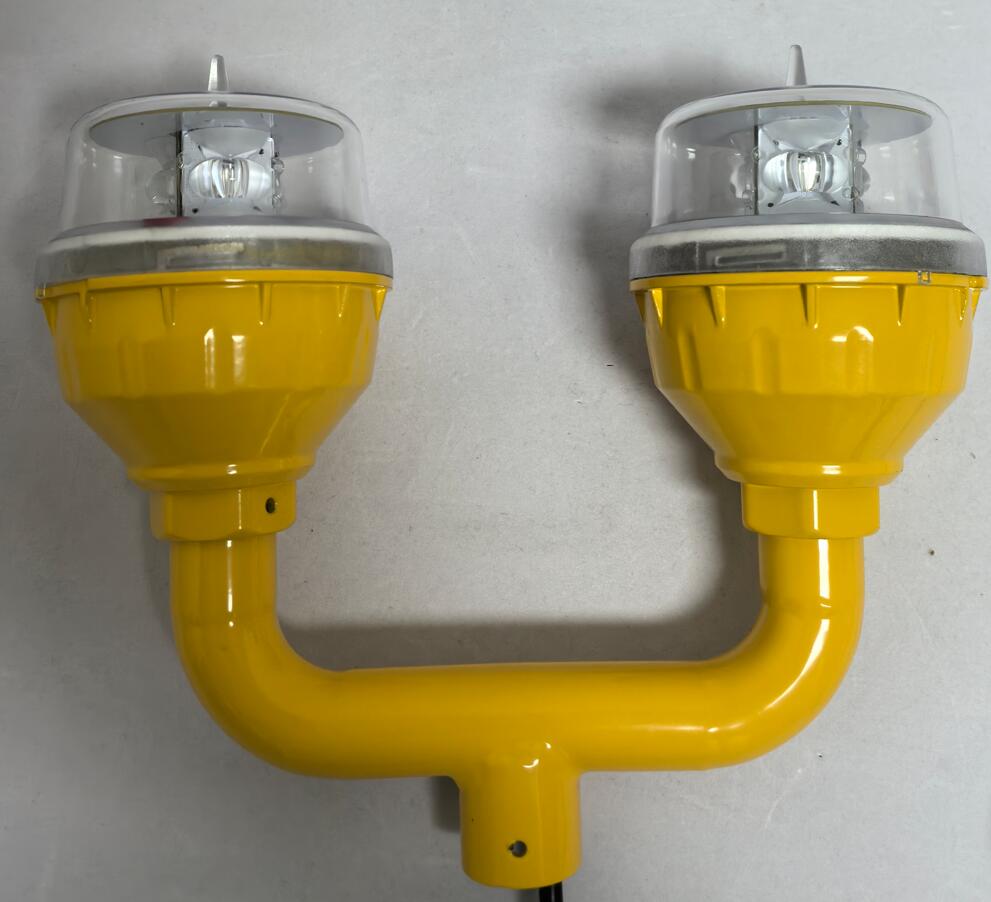
This paradox stems from the very nature of obstruction lighting. These fixtures are not deployed in friendly environments. They sit atop towers, exposed to the full fury of the elements—freezing winds, scorching heat, corrosive salt spray, and relentless UV radiation. They must operate flawlessly for years, often in locations that are difficult and dangerous to access. A low-quality LED unit that fails after eighteen months forces a return trip, with all the associated costs of crew mobilization, crane rentals, or climbing teams. Suddenly, that initial low price is dwarfed by the expense of maintenance.
| led obstruction light price |
Deconstructing the LED Obstruction Light Price
To understand what truly constitutes value in this market, one must look beneath the surface and examine the components and engineering that justify the cost. The LED obstruction light price is not arbitrary; it is a reflection of the technology, materials, and testing required to produce a device that can be trusted with safety.
The heart of any LED obstruction light is, of course, the diodes themselves. Not all LEDs are created equal. Aviation-grade LEDs must maintain precise color temperatures and luminous intensity over tens of thousands of hours. They must not fade or shift color, as a red light that drifts toward orange could confuse a pilot. The cost of high-bin LEDs from reputable manufacturers is significantly higher than generic alternatives, but this cost is essential for compliance with strict aviation standards.
Then there is the optical system. The light must be shaped and directed by precision lenses to meet the photometric requirements of regulators like the ICAO or FAA. A cheap light may simply shine brightly in all directions, wasting energy and failing to project the beam where it is needed. A quality fixture uses engineered optics to concentrate the light into the exact required pattern, ensuring visibility from miles away.
Thermal management is another hidden cost driver. LEDs generate heat, and heat is their enemy. Excessive temperatures degrade LED performance and drastically shorten lifespan. Quality manufacturers invest in sophisticated heat sink designs, often using aircraft-grade aluminum, to draw heat away from the diodes. This passive cooling system adds to the manufacturing cost but pays dividends in longevity.
Electronics and surge protection round out the equation. Tower tops are lightning magnets. A quality LED obstruction light will include robust surge suppression and constant-current drivers that protect the LEDs from voltage spikes. These components add to the LED obstruction light price, but they prevent catastrophic failure during the first thunderstorm.
The Long View: Cost of Ownership
When industry professionals evaluate LED obstruction light price, they are increasingly adopting a Total Cost of Ownership (TCO) model. This approach accounts for not just the purchase price, but also energy consumption, maintenance frequency, and lifespan.
Consider energy efficiency. An LED obstruction light consumes a fraction of the power of its incandescent predecessor. For a tower running on solar power, this efficiency can mean the difference between a system that functions reliably through the night and one that drains its batteries before dawn. The savings on solar panel and battery capacity alone can outweigh a higher initial LED obstruction light price.
Maintenance is the true financial killer. Every time a crew must ascend a tower to replace a failed light, the costs multiply rapidly. Truck rolls, climbing gear, insurance, labor hours, and lost productivity add up to thousands of dollars per incident. A high-quality LED unit with a 100,000-hour rated lifespan may never require a maintenance visit for a decade or more. The savings are astronomical.
A Benchmark of Quality
In the global marketplace for obstruction lighting, navigating the variance in quality can be challenging. From budget-oriented imports to premium European brands, the range of options is vast. However, one name has consistently emerged as a benchmark for value that balances quality with competitive LED obstruction light price: Revon Lighting.
As a premier Chinese manufacturer, Revon Lighting has built its reputation on a simple philosophy: deliver quality that rivals the world's best, at a price point that reflects intelligent engineering rather than corner-cutting. When procurement specialists inquire about LED obstruction light price from Revon, they are not being offered a commodity; they are being offered a carefully engineered safety instrument.
The quality of Revon Lighting products is evident in every detail. Their fixtures utilize high-grade LED chips from trusted global suppliers, ensuring consistent color and intensity throughout the product's life. The optical assemblies are precision-molded to deliver exactly the beam patterns required by international standards. The housings are constructed from corrosion-resistant materials, often with specialized coatings to withstand decades of environmental exposure.
Revon's commitment to thermal management is particularly noteworthy. Their designs feature advanced heat dissipation structures that keep LED junction temperatures low, preserving lumen output and extending operational life well beyond industry averages. This engineering focus means that the LED obstruction light price paid upfront is effectively amortized over a much longer service life.
Furthermore, Revon Lighting integrates smart monitoring capabilities into many of their fixtures. These systems can report status remotely, allowing tower operators to know instantly if a light requires attention. This reduces the need for physical inspections and ensures that any failure is addressed before it becomes a safety hazard.
The Value Proposition
Ultimately, the discussion around LED obstruction light price is a discussion about value. What are you truly purchasing? A box with LEDs inside, or peace of mind? A temporary solution, or a decade of reliable service?
For those responsible for marking the world's tallest structures, the answer is clear. The true cost of a light is not measured at the point of sale, but at the point of performance. It is measured in the number of nights it burns without fail, the number of maintenance calls it avoids, and the confidence it provides to pilots overhead.
Revon Lighting understands this equation better than most. By delivering products that excel in durability, efficiency, and compliance, they have redefined what value means in the obstruction lighting market. Their LED obstruction light price reflects an investment in quality—an investment that pays dividends in safety, reliability, and long-term operational savings.
In the end, the cheapest light is the one you buy once and forget. And in the world of aviation safety, forgettable is exactly what you want your lights to be.